New Construction Homes: What Internet Infrastructure to Expect
New construction homes are increasingly built with fiber-ready or fiber-connected infrastructure, but what is actually available depends on the development, the builder, and the providers that have invested in that area. Some new builds have fiber running directly to the home. Others have conduit in place but no active service yet. Others rely on the same cable or DSL infrastructure as the surrounding neighborhood. Checking availability at your exact new address, not just the development's general location, is the most reliable way to know what your options are before you move in. EasyConnect checks availability at your exact address from 26-plus trusted providers so you can get connected on your terms from day one.
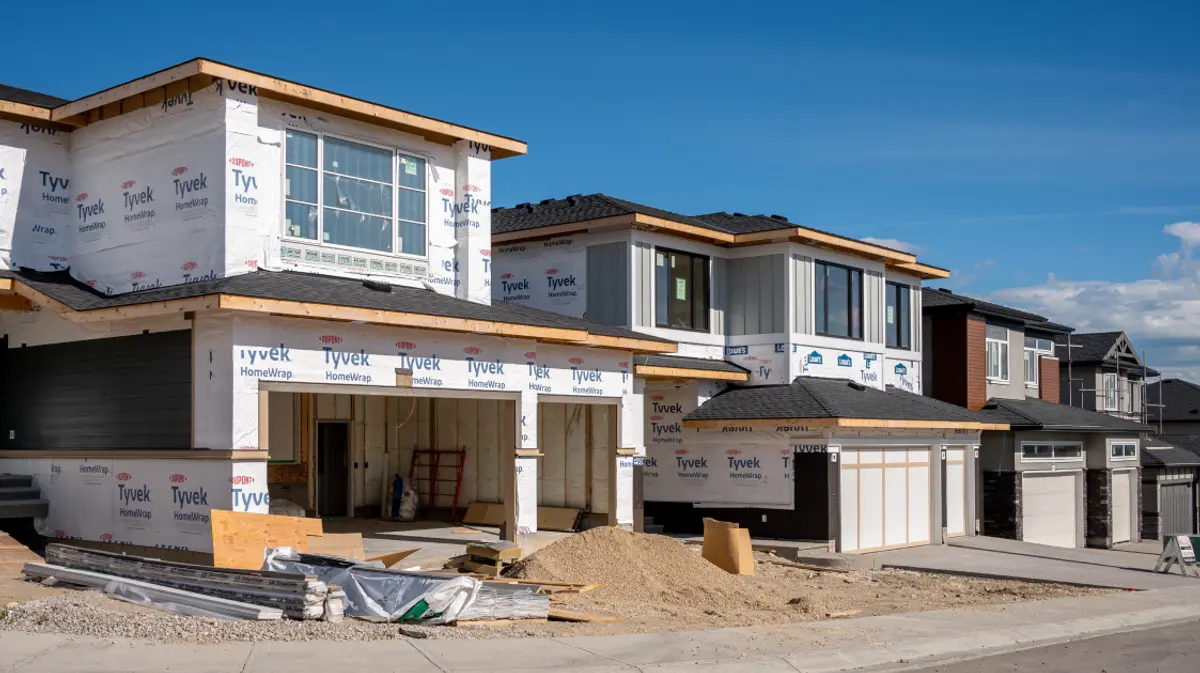
New Homes Are Built for Connectivity, But the Details Vary
One of the advantages of buying a new construction home is that the infrastructure tends to be more modern than in older properties. Builders in recent years have increasingly incorporated structured wiring, ethernet runs, and fiber-ready conduit as standard features, reflecting how central internet connectivity has become to how people live.
But "fiber-ready" and "fiber-connected" are not the same thing, and the specifics of what a new construction home has in place, and what you can actually sign up for, vary more than most buyers expect. Understanding what to look for, what questions to ask your builder, and how to check your real options before moving day puts you in a much stronger position than discovering the details after the fact.
What Internet Infrastructure New Construction Homes Typically Include
New construction homes generally fall into one of a few infrastructure categories, depending on the builder, the development, and the providers that have invested in that area.
Fiber to the home. In newer developments where a fiber provider has invested in the area, fiber optic cable may already run directly to the home. In this case, getting connected is a matter of scheduling activation and installation with the provider, which is typically faster and more straightforward than installing new infrastructure. This is the best-case scenario for a new build buyer and increasingly common in planned developments and master-planned communities built in the past few years.
Conduit without active service. Some builders install conduit, the protective tubing through which cables run, without pulling active fiber or cable through it. The home is infrastructure-ready, meaning a provider can run cable quickly without major construction, but no active service is in place. In this case, installation lead times are typically shorter than a home with no infrastructure at all, but a provider still needs to complete the connection before service is active.
Structured wiring panel. Many new construction homes include a structured wiring panel, a centralized point where all the home's ethernet, coaxial, and telephone wiring converges. This makes it straightforward to route internet from the point where the provider's service enters the home to any room with a wired connection. A structured wiring panel is a useful feature for distributing a reliable wired network throughout the home, particularly for a home office, primary entertainment area, or any location where a wired connection is preferred over Wi-Fi.
Standard cable or DSL infrastructure. In some developments, particularly those built near or within existing neighborhoods, the internet infrastructure is whatever was already in place in that area. A new home built on an infill lot in an established neighborhood may have access to the same cable or DSL options as neighboring homes, without the fiber infrastructure that a purpose-built new development might offer.
Questions to Ask Your Builder Before Closing
The most useful time to understand a new home's internet infrastructure is before you close, when you still have the opportunity to ask questions and make decisions with complete information.
What internet infrastructure has been installed in the home? Ask specifically whether conduit, ethernet wiring, coaxial cable, or fiber has been installed, and where it runs to within the home. A builder that has installed a structured wiring panel can usually walk you through where connections are available in each room.
Which providers have agreements with this development? Some developers have exclusive or preferred arrangements with specific internet providers, particularly in larger master-planned communities. If your development has an arrangement with a specific provider, understanding those terms before closing helps you plan your internet setup without surprises.
Is fiber available at this address? Even in newer developments, fiber availability is not universal. Asking your builder whether a fiber provider serves the specific address, not just the development's general area, is the right question. If the builder does not know definitively, checking at the address level directly is the most reliable answer.
Are there any HOA rules about internet service? Some homeowner associations in planned communities have rules about which providers can be used or how installation work can be performed on the home's exterior. Knowing this before signing up for service avoids conflicts later.
Why Address-Level Availability Matters More in New Developments
New construction developments are built in phases, and provider availability does not always keep pace with construction. A development where some homes are already connected to fiber may have sections where infrastructure has not yet been completed. Two homes in the same development, built six months apart, can have entirely different connectivity options depending on when the provider completed work in that part of the project.
This is why checking availability at your specific address rather than the development's name or general location is particularly important for new construction buyers. EasyConnect checks availability at your exact address and shows you every provider and plan that genuinely serves that home, from 26-plus trusted providers. It is the most reliable way to know what you are actually choosing between before you schedule installation.
Planning Your Home Network From the Start
A new construction home is one of the few moments when you have the opportunity to think about your home network as a whole before any furniture is in place and before any habits are formed around where devices live in the home.
If your new home has a structured wiring panel, identifying which rooms have wired connections available and planning which devices will connect via ethernet is worth doing early. A home office, primary entertainment room, and any location where a smart home hub or security system will be installed are the highest-value places to use wired connections.
If your home has conduit in place, discussing with your provider whether you want ethernet or fiber pulled through those runs during installation adds minimal time to the process and sets your home up for more flexible networking options later.
For whole-home Wi-Fi coverage in a larger new build, planning mesh node placement during setup rather than after the fact means coverage is distributed effectively from the first day you are connected. The complete guide to whole-home Wi-Fi mesh systems covers how many nodes a home of your size needs and where to place them for the best results.
Getting Connected Before You Move In
Internet setup is one of the most practical things to sort out before moving day rather than after. For a new construction home, the process starts with confirming what is available at your address, which is the step that determines everything that follows.
Once you know your options, scheduling installation in advance is important. Provider scheduling fills up quickly, particularly during peak moving seasons, and a new construction address that has never had active service may require a longer lead time than a home where infrastructure is already in place. Starting the process at least two to three weeks before your move-in date gives you the best chance of being connected when you arrive. For a full walkthrough of how to approach internet setup around a move, the guide on how to set up internet in your new home before moving day covers the process from start to finish.
EasyConnect checks availability at your exact new address and shows you every plan from every provider that genuinely serves your home, from 26-plus trusted providers. You see your real options in one place, compare them clearly, and get set up in minutes. EasyConnect is the straightforward way to get your new home connected from day one.
Find My Plan at easyconnect.co
Frequently Asked Questions
Do new construction homes come with internet already set up?
No. New construction homes typically come with internet infrastructure in place, such as conduit, structured wiring, or in some cases fiber to the home, but active service still needs to be set up by scheduling installation with a provider. The infrastructure determines how quickly and easily that installation can happen, but the service itself is not active until you sign up and schedule it.
Is fiber internet available in new construction homes?
It depends on the development and its location. Many newer developments are built with fiber-ready infrastructure, and some have active fiber service available at the address level. Others rely on whatever cable or DSL infrastructure serves the surrounding area. Checking availability at your specific address, rather than the development's general location, is the most accurate way to know whether fiber is a real option for your home.
What questions should I ask my builder about internet?
Ask what infrastructure has been installed in the home, whether conduit, ethernet, coaxial, or fiber. Ask which providers serve the development and whether any exclusive arrangements are in place. Ask specifically whether fiber is available at your address. And ask whether the home has a structured wiring panel and where wired connections are available throughout the home.
How long does it take to get internet set up in a new construction home?
It depends on the infrastructure in place and the provider's scheduling availability. Homes with active fiber infrastructure may be able to schedule installation relatively quickly. Homes where new cable or fiber needs to be run may require additional lead time. Starting the process two to three weeks before your move-in date is the recommended approach, with more lead time if possible for homes in newly developing areas where provider infrastructure may still be in progress.
Can I choose any internet provider for a new construction home?
In most cases, yes, subject to what providers actually serve your address. Some planned developments have preferred provider arrangements or HOA rules that affect your options, so it is worth asking your builder about this before closing. EasyConnect checks availability at your exact new address and shows you every provider that genuinely serves your home so you can compare your real options before making any decisions.